Tight connections and seat choice
How minimum connection times, forward cabin rows, and aisle access affect whether you make the next flight, plus when paying for a seat is worth it.
A seat cannot invent boarding time, but it can change how fast you leave the aircraft. On a tight connection, forward rows and aisle seats usually beat a window in the last economy cabin, especially on a single aisle jet that deplanes one door.
Start with the legal minimum connection time published for the airport and airline pairing, then add buffer for your risk tolerance. Domestic to domestic can look short on paper and still fail when the inbound arrives at a remote hardstand. International arrivals add immigration. Our short haul versus long haul priorities guide separates day trip goals from overnight ones.
If the carrier sells assigned seats, paying for a forward aisle is often cheaper than missing a connection. Compare that fee to the change penalty and hotel risk. The low cost carrier seat fees pattern still applies: the base fare is incomplete until you add the seat.
Open seating airlines reward early boarding groups more than a schematic row number. If that is your ticket, buy boarding priority when the connection is short, then choose an aisle near the front once onboard if the cabin allows.
Keep reading
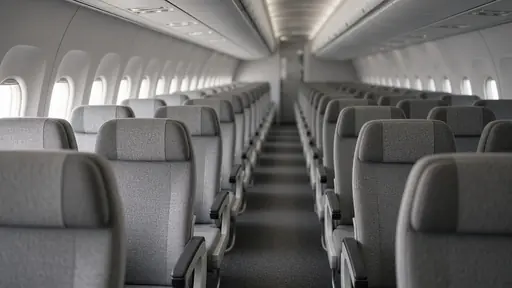

Exit rows can help or hurt. Extra space is nice after a sprint, but some exit rows are farther aft, and you must meet exit seating suitability rules. A standard forward aisle often wins purely on walking time to the jet bridge.
Bags matter. A roller in the overhead near you is faster than a gate checked bag waiting at the next carousel. If you must gate check, an aisle seat still helps you reach the door, but build more buffer. Read overhead bin and seat choice when bin space is the bottleneck.
Always re check the live seat map and aircraft type the morning of travel. Swaps move you from a forward row to a rear one without warning. Confirm with the airline app, then use Pick Your Row schematics only as a planning sketch. We are not affiliated with any carrier.
FAQ
Which seat helps most on a tight connection?
A forward aisle on the inbound flight is usually best for a single door deplane. Window seats in the last rows are the slowest exit on many narrow body jets.
Is paying for a seat worth it for a short layover?
Often yes when the fee is far below the cost of a missed connection. Compare the seat price to change fees, rebooking risk, and overnight hotels.
Do exit rows always deplane faster?
No. Some exit rows sit over the wing farther from the forward door. Speed comes from cabin position and aisle access, not from the exit label alone.
What if my airline uses open seating?
Buy boarding priority when the connection is tight, then take an aisle near the front once onboard if space allows. Map fees matter less than boarding group.
Can Pick Your Row guarantee I make a connection?
No. Our maps and scores are planning tools and editorial opinions. On time performance, taxi delays, and airport layout dominate. Verify aircraft and seats with the airline.
Sources and references
Outbound links to authoritative public pages. Regulatory and consumer-rights material is fact; our seat scores remain editorial. See also the Methodology & sources page.
- U.S. DOT — Fly Rights . DOT consumer guide covering delays, cancellations, and passenger protections context.
- FAA — Travelers . FAA traveler hub; operational delays are separate from seat maps.
- U.S. eCFR — 14 CFR § 121.585 Exit seating . Exit seat suitability rules that can block some passengers from exit rows even when those rows look convenient.
Browse airline seat maps Methodology More guides