Paid for a seat you did not get? U.S. refund rules for seat fees
Under U.S. DOT rules, airlines must automatically refund seat selection fees when the seat is not provided through no fault of yours.
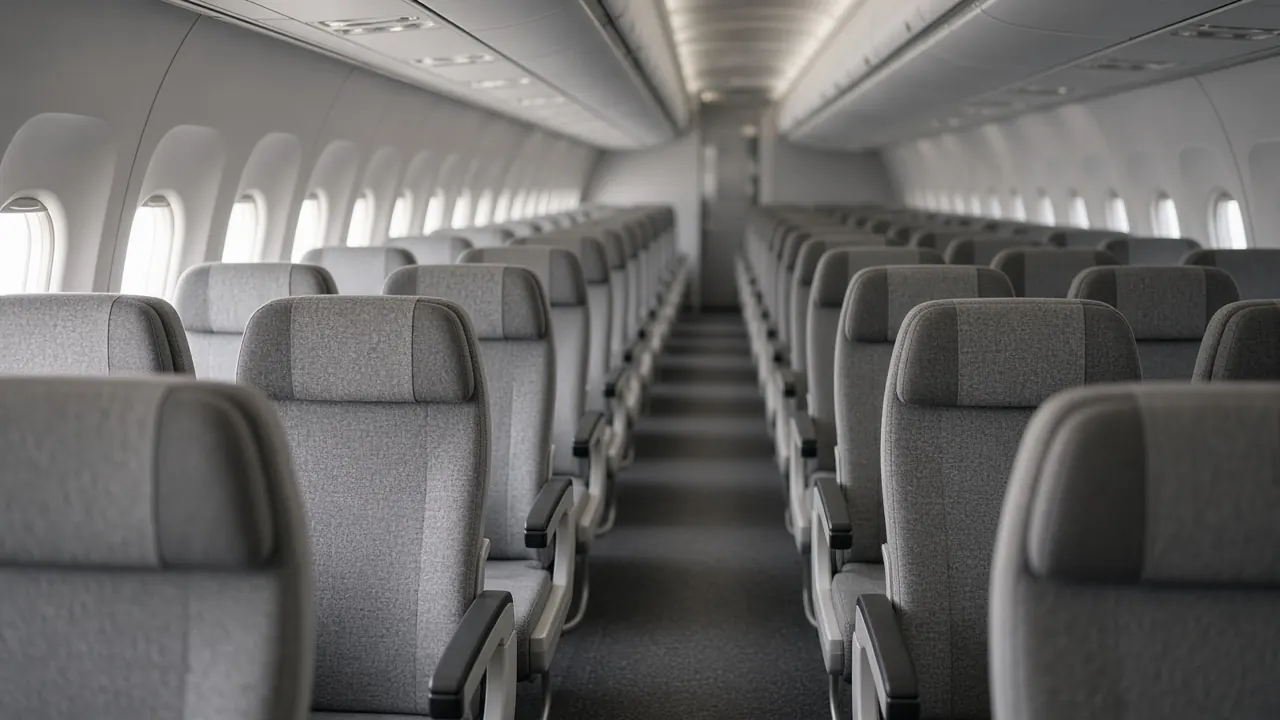
You paid extra for an aisle, an exit row or extra legroom, then an aircraft swap or a schedule change put you somewhere else. In the United States, federal rules now cover this. The Department of Transportation rule in 14 CFR Part 260 treats advance seat selection and seat upgrades as ancillary services, and requires a prompt and automatic refund of the fee when the service is not provided through no fault of the passenger.
The rule gives examples of when the service was not provided: a cancellation, a significant schedule change or an oversale meant you did not use it, or an aircraft substitution or equipment problem meant it was not available. If the seat problem hits only you or a few passengers rather than everyone, the airline's duty to refund starts once you tell the operating airline and it confirms the issue. Telling the airline counts as a request for a refund.
Prompt means fast. Part 260 defines a prompt refund as within 7 business days for credit card purchases and within 20 calendar days for other payment methods. Under 14 CFR 260.10 the refund goes back in the original form of payment unless you agree to a cash equivalent, and the airline may not keep a processing fee.
Keep reading

What to do at the airport: if you are moved from the seat you paid for, ask the gate agent or crew to note the change, keep your boarding pass, and take a screenshot of your original seat assignment. After the flight, report it through the airline's refund or feedback form. Then see our guide to aircraft swaps and seat reassignment for ways to recover a good seat.
Who this covers: Part 260 defines covered carriers as U.S. and foreign airlines running scheduled passenger service to, from or within the United States. When a travel agency sold the seat fee, the airline that failed to provide the service is generally responsible. Outside the U.S., check local rules such as EU passenger rights and the airline's conditions of carriage.
This is general information, not legal advice. Read the regulation text linked below, and the DOT refund page, for the exact wording.
FAQ
Do I get a refund if the airline changes my paid seat?
On flights covered by U.S. DOT rules, yes, if the seat you paid for was not provided through no fault of your own, for example because of an aircraft swap. The airline must refund the seat fee promptly and automatically.
How fast must the airline refund a seat fee?
Within 7 business days for credit card purchases and within 20 calendar days for other payment methods, as defined in 14 CFR Part 260.
Do I have to ask for the refund?
If the problem affected everyone who bought the service, the refund should be automatic. If only you were affected, tell the operating airline; that notice counts as your refund request.
Does this apply to seat upgrades and extra legroom?
Yes. The rule lists advance seat selection and seat upgrades among ancillary services.
Sources and references
Outbound links to authoritative public pages. Regulatory and consumer-rights material is fact; our seat scores remain editorial. See also the Methodology & sources page.
- 14 CFR 260.2 Definitions (eCFR) . Defines ancillary services, including advance seat selection and seat upgrades, and prompt refund timing.
- 14 CFR 260.4 Refunding fees for ancillary services (eCFR) . Requires prompt automatic refunds of fees for services paid for but not provided.
- U.S. DOT refunds . DOT consumer page on airline refunds.
Browse airline seat maps Methodology More guides