Disability seating rights on U.S. flights: armrests, bulkheads and companion seats
What 14 CFR Part 382 requires: movable aisle armrests, bulkhead seats for service animals and fused legs, adjoining seats for assistants, and how to ask.
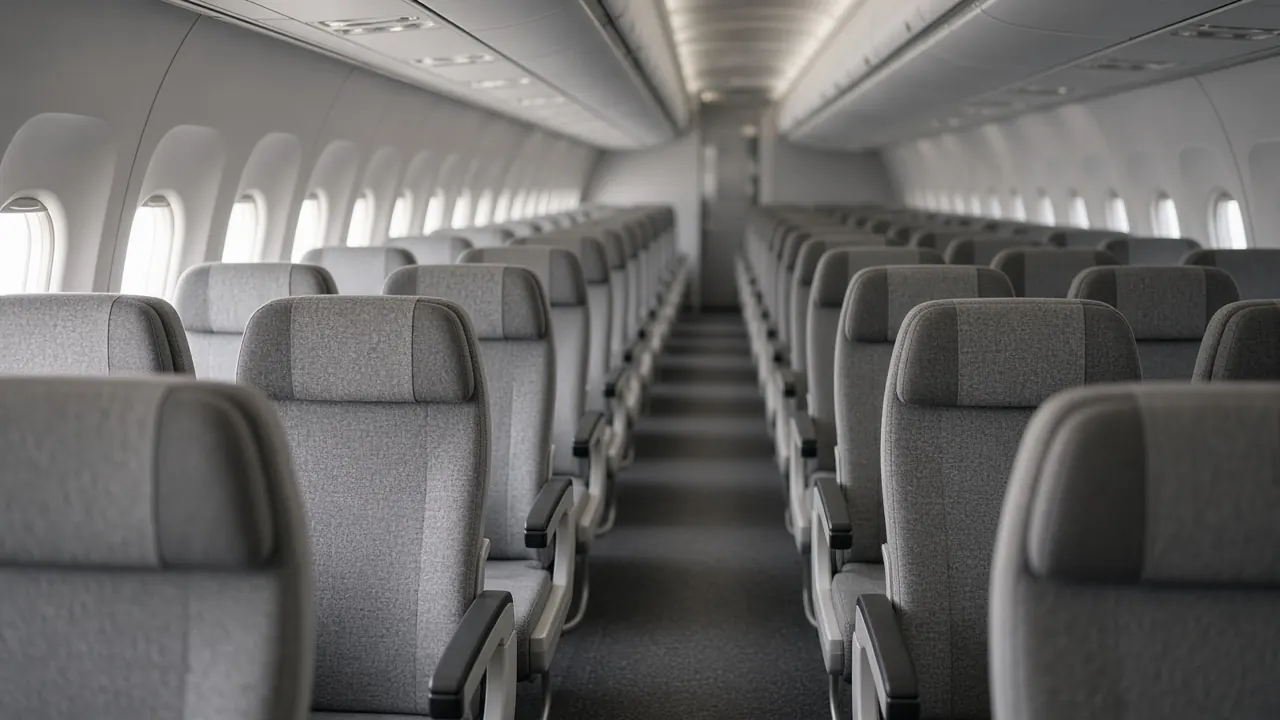
U.S. rules in 14 CFR Part 382 require airlines to provide specific seating accommodations to passengers who self identify as having certain disabilities, when that type of seat exists on the aircraft. These rules apply to U.S. airlines everywhere they fly, and to foreign airlines on flights that begin or end at a U.S. airport.
Four situations are named in the rule. A passenger who uses an aisle chair to board and cannot readily transfer over a fixed armrest must get a seat in a row with a movable aisle armrest. A passenger travelling with a personal care attendant, a reader for a vision impairment, an interpreter for a hearing impairment, or a safety assistant the airline requires, must get an adjoining seat for that person. A passenger with a service animal can ask for either a bulkhead seat or a non bulkhead seat. A passenger with a fused or immobilised leg must get a bulkhead seat or another seat with more legroom, on the side of the aisle that works best.
Movable aisle armrests: on aircraft with 30 or more seats where aisle seats have armrests, at least half of the aisle seats in rows where passengers with mobility impairments may sit must have movable armrests on newer aircraft, spread proportionately across cabins. Airlines must be able to tell you which specific rows have them.
Keep reading

How to ask: airlines that assign seats in advance either block suitable seats or designate them as priority seats. If you request at least 24 hours before departure, the airline must assign a qualifying seat when you ask. Later requests are met as far as practicable. Airlines may ask you to check in an hour early in some cases. Airlines must not reassign you to accommodate a later request without your consent.
Limits: airlines do not have to give you more than one seat per ticket, or a seat in a higher class than you bought. Safety rules still apply, so a passenger may be kept out of an exit row under the exit seating rule; see exit row tips. Practical seat ideas are in choosing seats with mobility needs.
This is general information, not legal advice. Each airline also has a disability desk; DOT's disability page explains how to file a complaint.
FAQ
Can I get a seat with a movable armrest?
If you use an aisle chair to board and cannot readily transfer over a fixed armrest, U.S. rules require the airline to give you a seat in a row with a movable aisle armrest, where the aircraft has them.
Does my travel companion get a seat next to me?
An adjoining seat must be provided for a personal care attendant, a reader, an interpreter, or a safety assistant the airline requires, when they perform those functions on the flight.
How early should I request a disability seat?
At least 24 hours before departure. After that the airline must help as far as practicable but does not have to move another passenger.
Can an airline make me sit in a particular seat because of my disability?
No, except to comply with FAA or foreign safety rules such as exit row requirements.
Sources and references
Outbound links to authoritative public pages. Regulatory and consumer-rights material is fact; our seat scores remain editorial. See also the Methodology & sources page.
- 14 CFR 382.81 Seating accommodations (eCFR) . The four categories of passengers who must receive specific seating accommodations.
- 14 CFR 382.83 How seating accommodations are made (eCFR) . Seat blocking and priority seat methods and the 24 hour timing.
- 14 CFR 382.87 Other seating requirements (eCFR) . No seat restrictions based on disability except safety rules; one seat per ticket.
- 14 CFR 382.61 Movable aisle armrests (eCFR) . Movable armrest requirements on aircraft with 30 or more seats.
- U.S. DOT passengers with disabilities . DOT consumer guidance and complaints.
Browse airline seat maps Methodology More guides